Top Mistakes to Avoid When Staging Your Home for Sale
Selling a home can be a daunting task, and preparing it effectively is crucial to making a lasting impression on potential buyers.
Enhancing a property’s appeal is crucial when it’s on the market. Home staging is a an effective tool for making a lasting impression on potential buyers. Staging transforms the space, making it attractive to prospective buyers. A professionally staged home often sells faster and at a higher price. Professionals bring expertise in design, understanding buyer psychology, and optimising space to showcase the home’s potential.
However, some sellers might choose to stage the property themselves to save costs. This DIY approach allows personal control over the process and may be cheaper if budget constraints exist. Yet, without professional insight sellers risk missing crucial elements that enhance the home’s marketability.
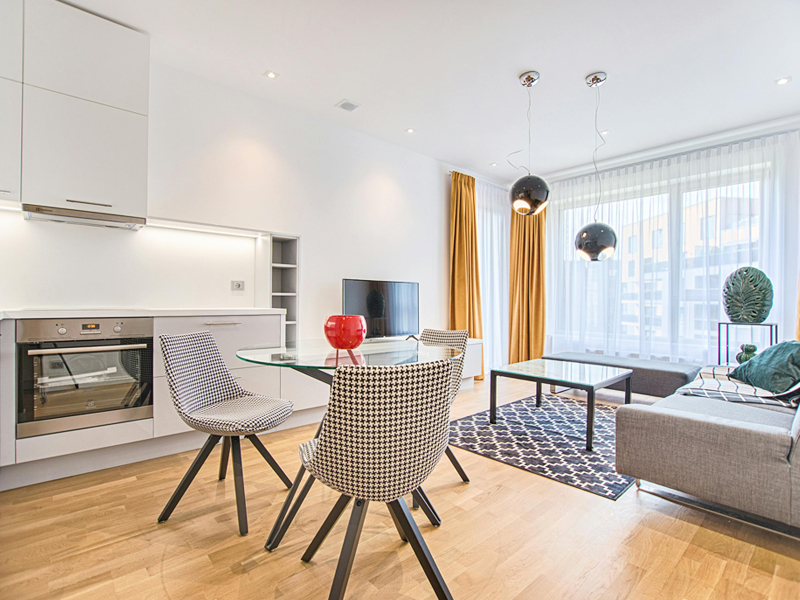
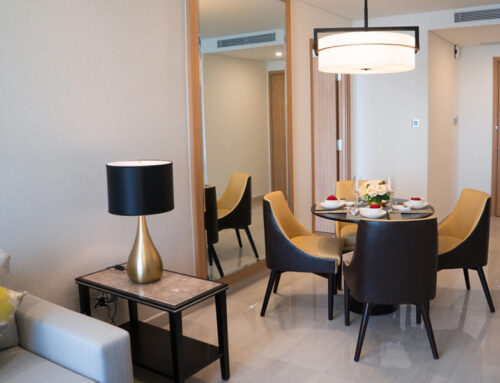
Photo by Vecislavas Popa
When it comes to selling a home, even small missteps could deter buyer interest and affect the sale price. From over-personalising spaces to neglecting essential repairs, these mistakes can be the difference between a quick sale and a long wait.
While we would always advise on engaging the professional services of a Home Stager, we understand that there are many reasons why you, the seller, may opt not to hire a stager and we are here to help you avoid these common pitfalls when styling your property.
By understanding what to avoid, you can transform your property into a buyer’s dream and maximise its market potential. Let’s explore the key errors that could hinder your home’s sale and ensure you’re well-prepared to showcase your property in the best possible light.
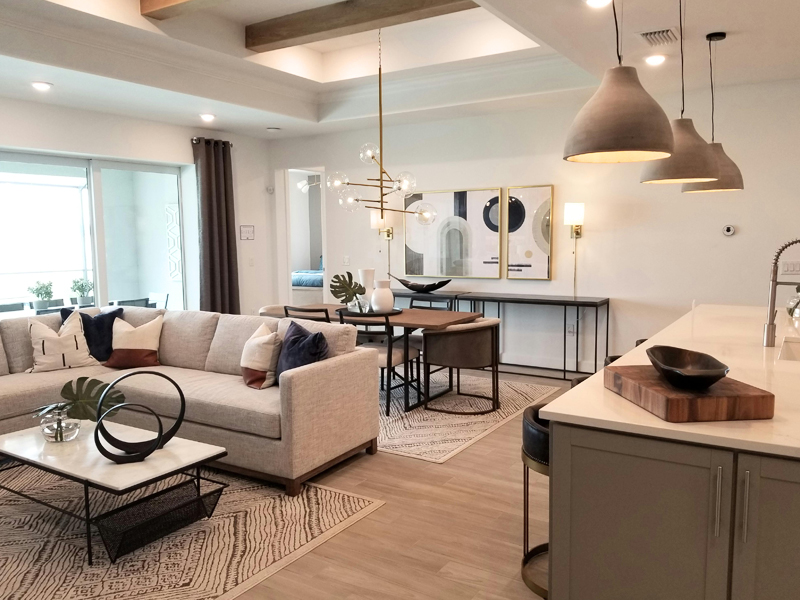
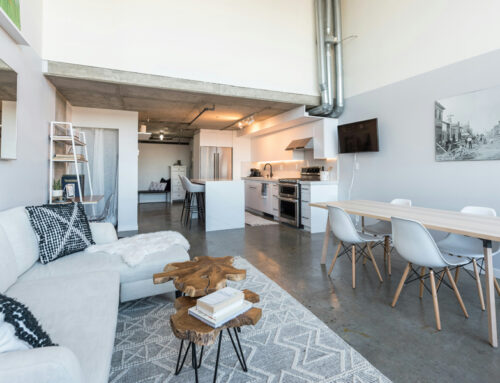
Photo by Christopher Moon
Common Mistakes To Avoid
Over-Personalising The Space
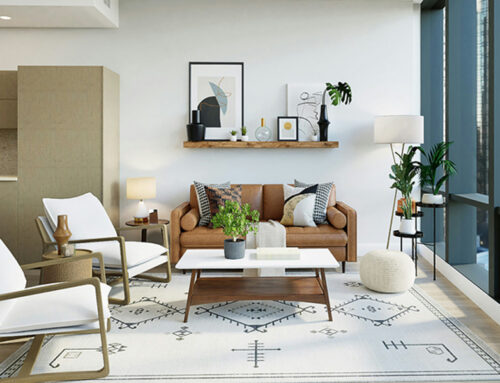
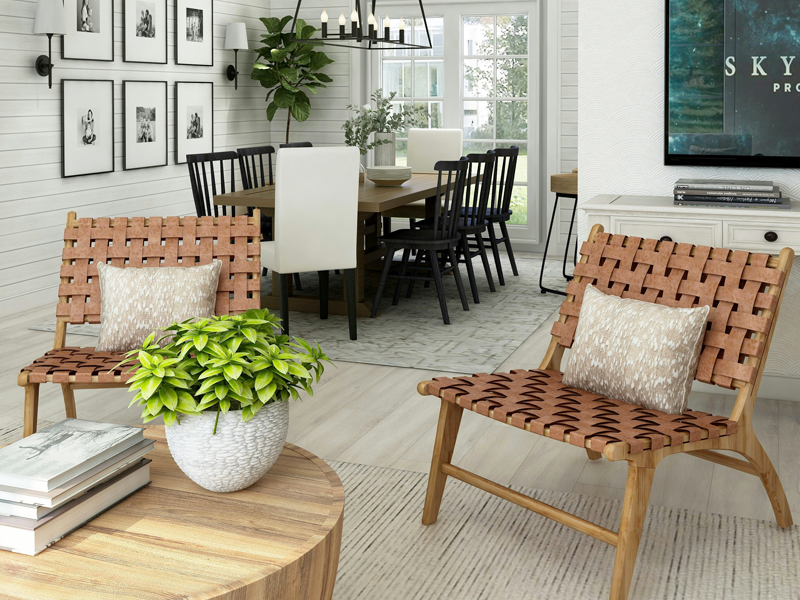
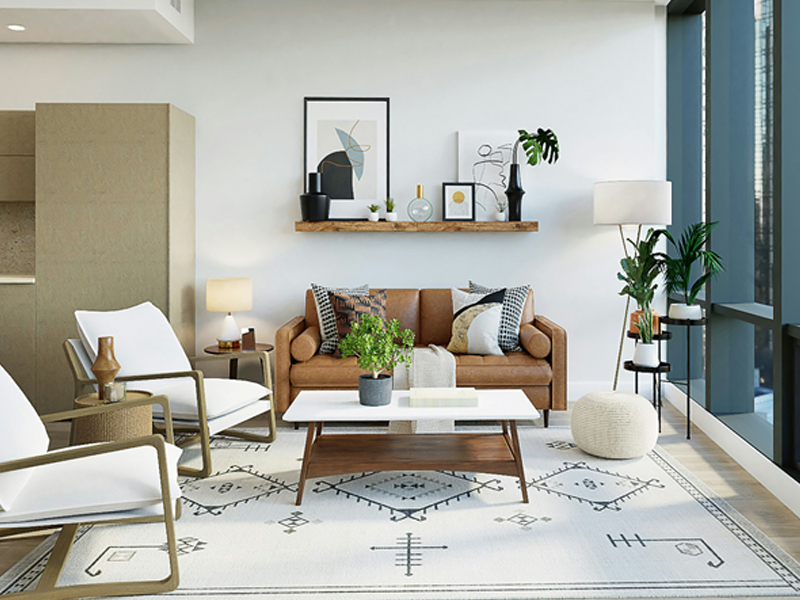
The purpose of home staging is to help buyers to connect emotionally with a home. Buyers struggle to imagine themselves in a highly personalised home full of someone else’s belongings. To de-personalise the space, remove family photos, unique art, or bold decor. Keep the design neutral, creating a space that feels welcoming to a broad audience. For instance, choose simple, elegant furniture and a few simple decor items.
Ignoring Clutter And Cleanliness
Clean, clean, clean! A cluttered or dirty home deters buyers no matter how beautiful the structure. Keep surfaces clear and storage spaces organised. Deep clean every room, paying attention to kitchens and bathrooms. Dust-free shelves and spotless countertops create positive impressions. Clean carpet stains and remove any worn out items such as torn curtains and deflated scatter pillows.
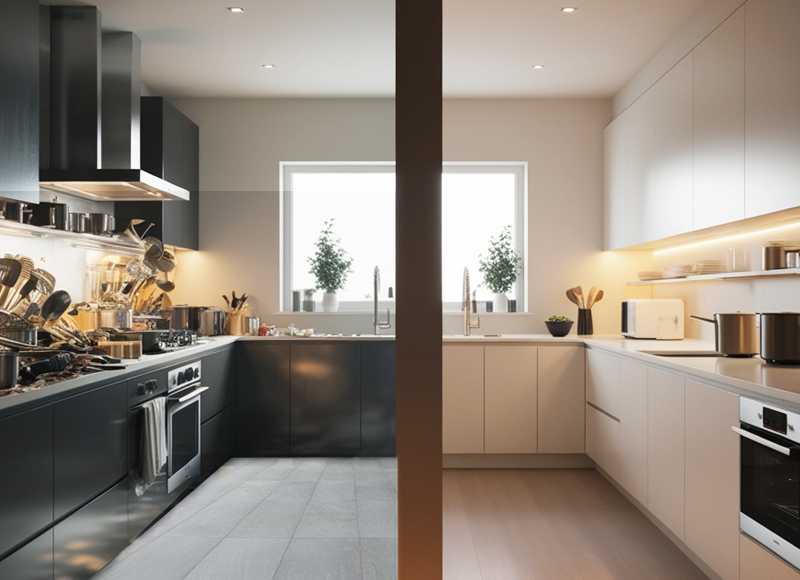
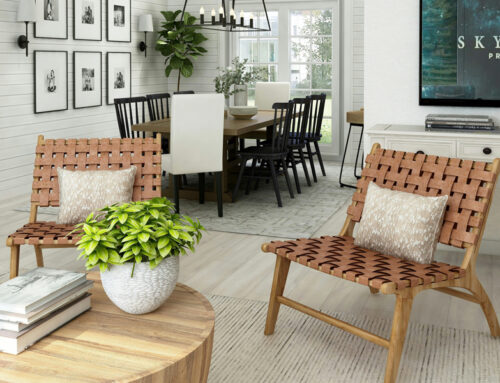
Photo by The Space & Time
Neglecting The Kitchen
The two rooms that significantly impact a buyer’s perception of a property are the kitchen and the bathroom. Pay special attention to their presentation.
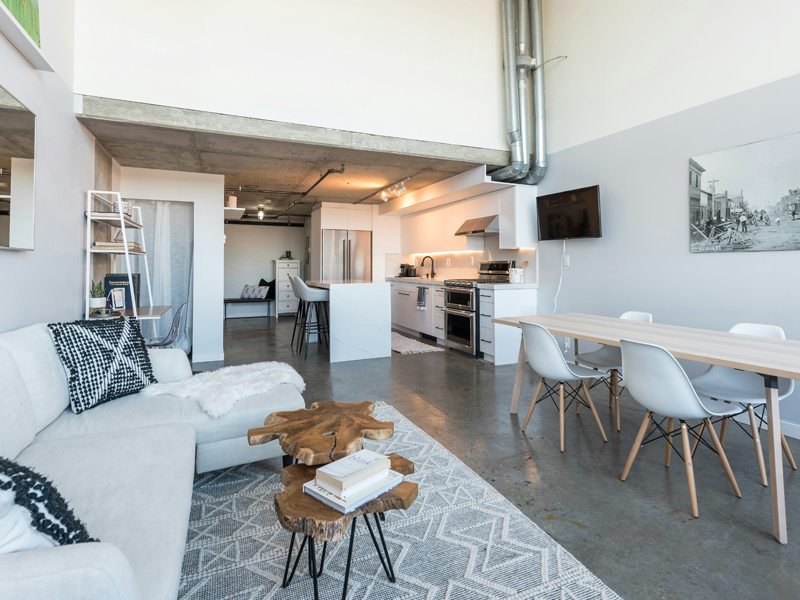
The kitchen often serves as the heart of the home, affecting buyer impressions. An outdated, dirty or cluttered kitchen can dampen interest. Clean the backsplash tiling, stovetops and cupboard handles. Clear as much clutter from the countertops, this includes packing away some appliances that may be taking up space. By revealing more counter space the kitchen becomes more appealing.
Underestimating The Bathroom
A clean, modern bathroom can elevate the property’s appeal. Buyers notice dirty grout or old fixtures so be sure to deep clean the bathroom. Perform a few minor upgrades if possible, such as replacing worn out mirrors, replacing old taps and updating to stylish light fixtures. Remember to clean the toilet, remove personal items from sight and hang fresh towels. Pay attention to odours, empty bins and ensure fresh air circulation.
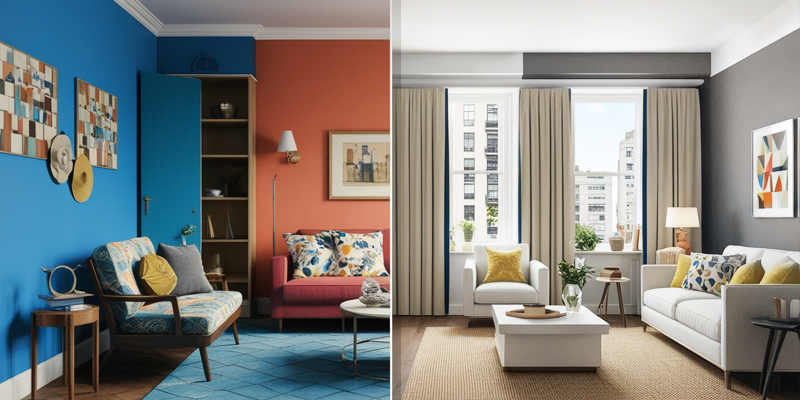
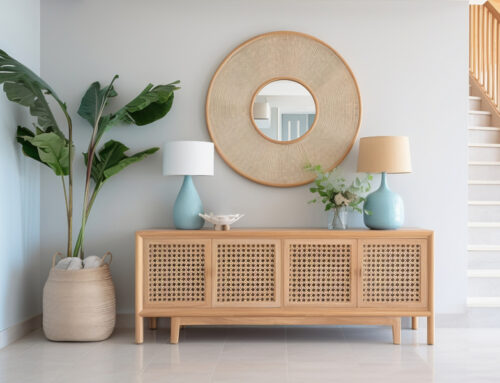
Photo by The Space & Time
Choosing The Wrong Colour Scheme
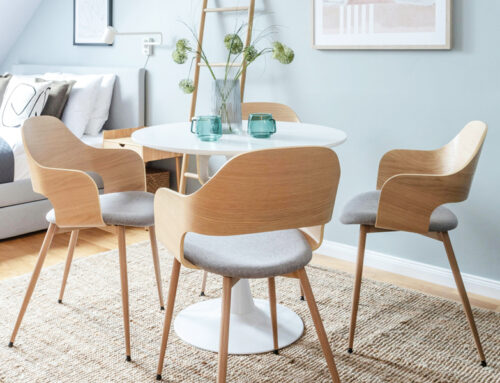
Paint affects a room’s feel and bright colours may be off-putting. Consider giving your home a fresh coat of paint. Select neutral tones like whites and light greys which are more welcoming. These colours not only enhance light and make the space appear larger but they also appeal to a wider audience while offering a blank canvas for a buyers’ imagination to run wild with ideas.
Making Small Spaces Look Smaller:
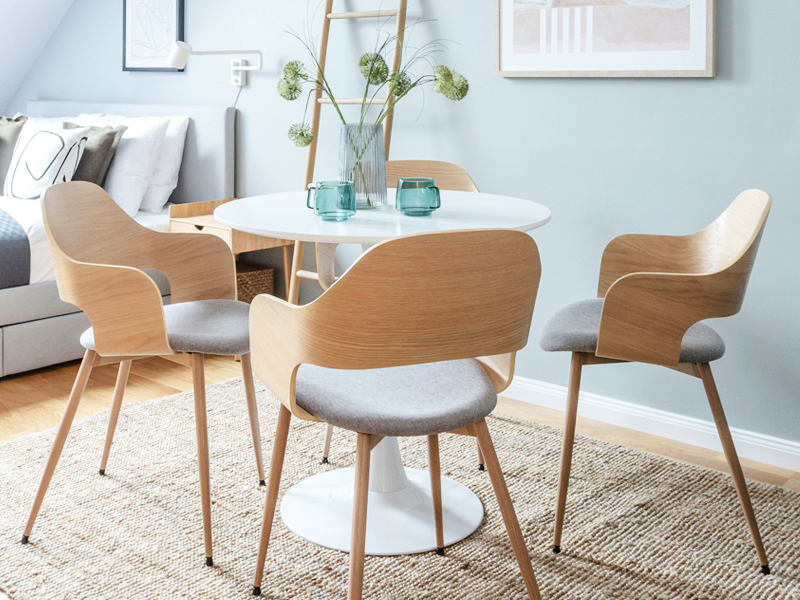
Crowding small spaces with oversized furniture diminishes their perceived size. If your home is cluttered, consider moving some furniture and personal belongings off site to a storage facility or garage. Keep only the necessary furniture pieces ensuring that the space in the room allows movement and maximises openness.
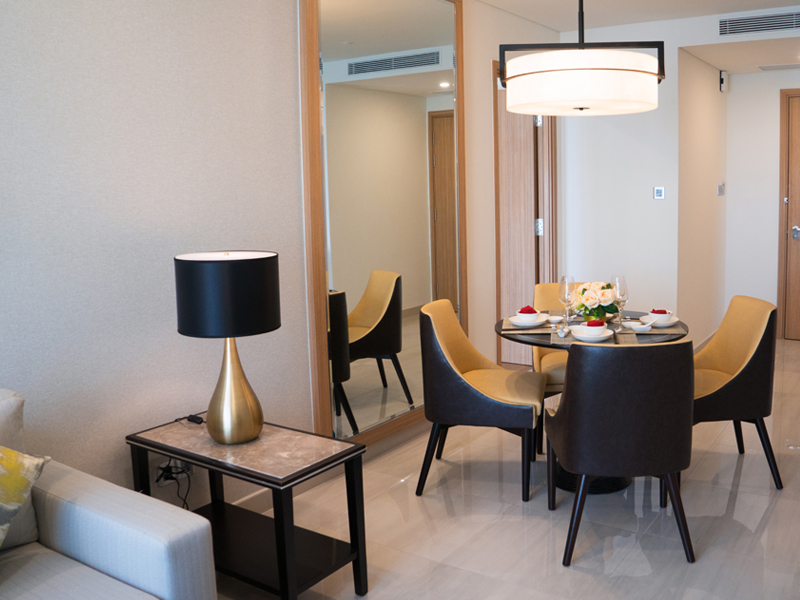
Dark colours absorb light and make rooms feel confined. Take special note of the colours in your home and include lighter hues to reflect light and expand visual boundaries. Blocking natural light sources further diminishes space perception. Keep windows unobstructed and hang light, airy curtains to accentuate the space.
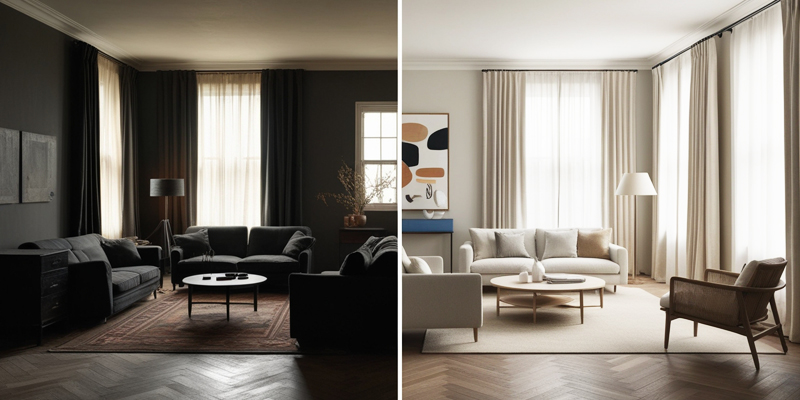
Photo by The Space & Time
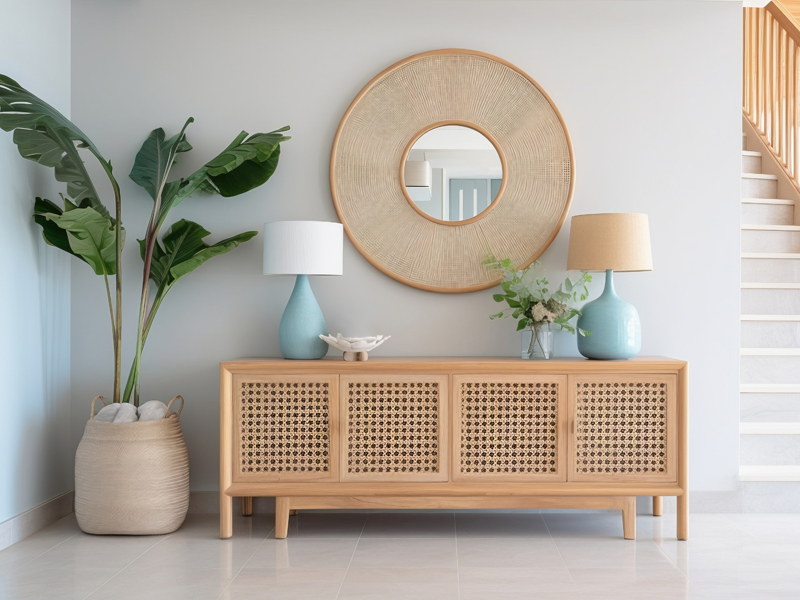
Filling walls with excessive decor creates visual clutter, so try to clear as much wall space as possible. Rather than having too many pieces of decor on a wall, instead hang one large abstract piece of framed art. Choose simple, strategic decorations to maintain a clean, open feel such mirrors to enhance light distribution and openness.
Conclusion
While DIY staging might seem cost-effective, it can lead to missed opportunities for maximising a home’s potential. It’s often beneficial to seek professional staging advice to ensure every room is in prime condition. Staging a home for sale is an art that requires careful attention to detail and an understanding of buyer psychology. A professional home stager can help make all the difference in securing a swift and profitable sale.