How to Choose and Arrange Wall Art when decorating
Choosing and arranging wall art can transform any room from boring to fascinating. It’s not just about filling empty walls; it’s about expressing our personalities and enhancing the ambience of our homes. Whether we’re drawn to bold abstracts or serene landscapes, the right artwork can set the tone and create a focal point that captivates guests and residents alike.
But with so many options, how do we make the right choice? It starts with understanding our space, considering the room’s purpose, and selecting pieces that complement our existing décor. From size and colour to style and placement, each decision plays a crucial role in achieving a balanced look.
Let’s explore how we can curate a collection that not only reflects our tastes but also enhances our living spaces.
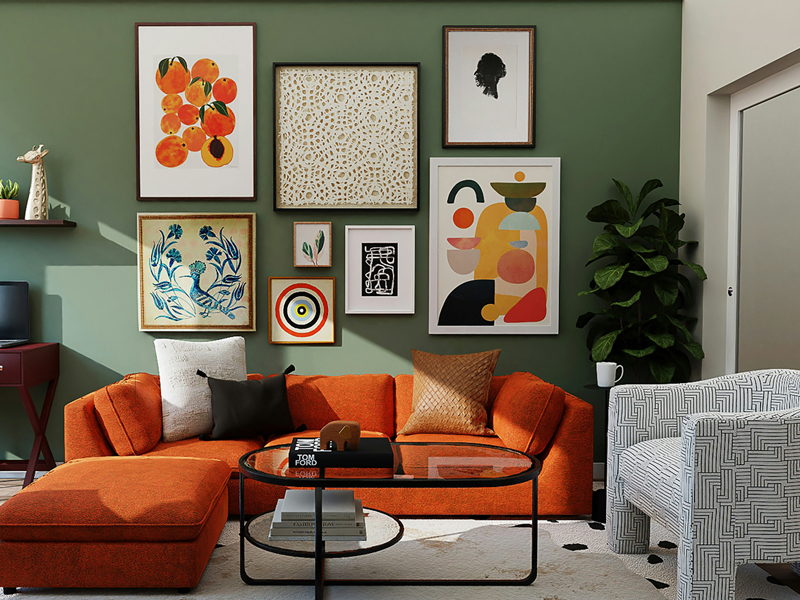
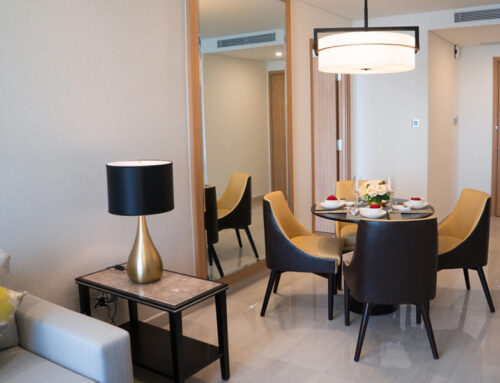
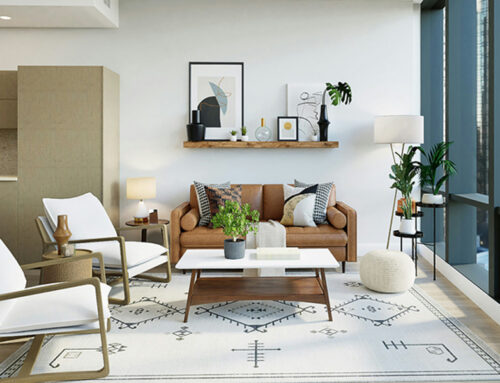
Photo by Turnkey apartments
Understanding Your Space
Whether it’s a cosy reading nook or a living room, the secret to success is in understanding the available space and how to work with it to select artwork that suits the room’s dimensions and personality.
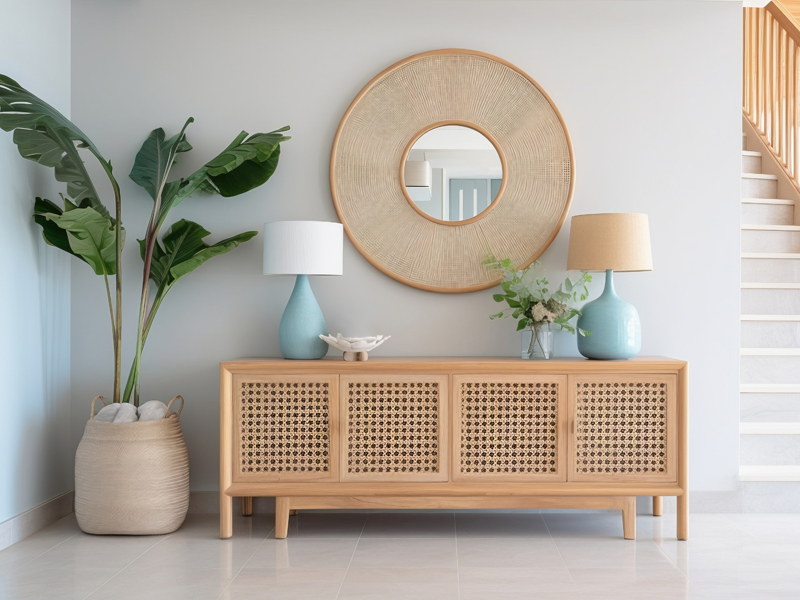
Understanding the room’s size and layout is crucial for selecting wall art. In smaller spaces, such as a study, opting for small framed art or a mini gallery wall keeps the room feeling open and inviting. Large areas, like spacious living rooms, welcome bigger pieces or expansive gallery walls that create a focal centrepiece. Mirrors accentuate the space by reflecting natural light and should be strategically positioned for maximum impact. Consider the wall layout, including windows and furniture placement, to avoid clutter.
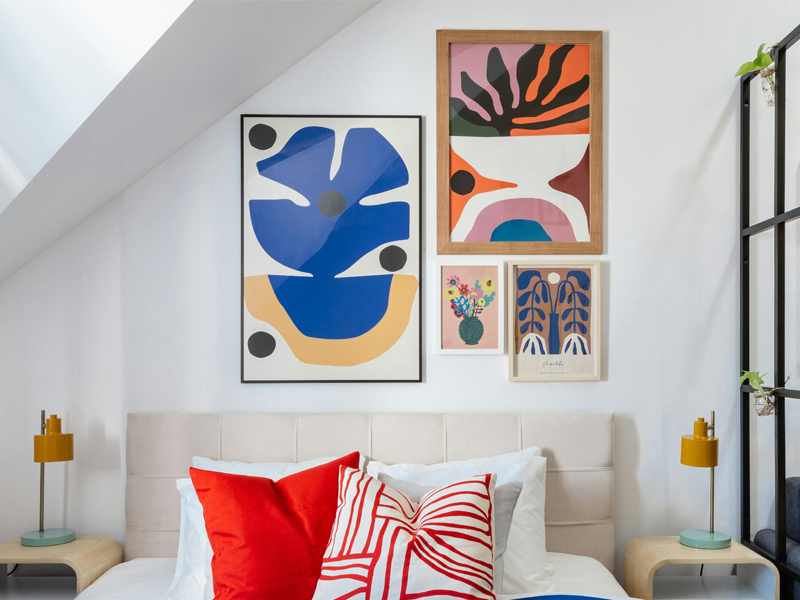
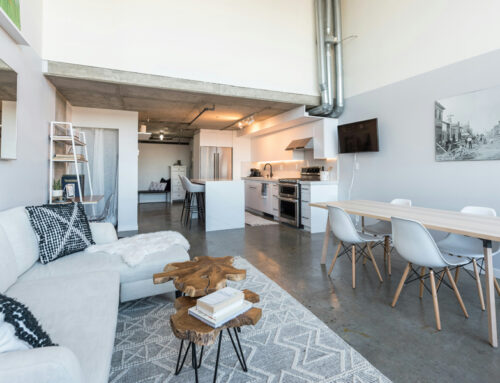
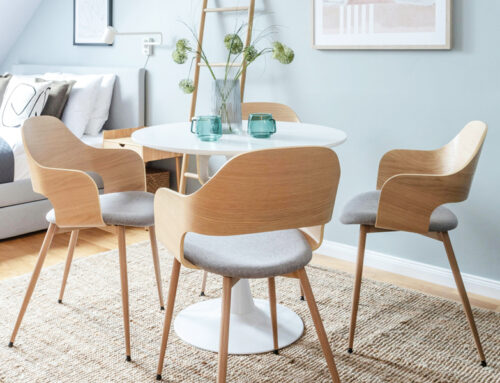
Photo by Spacejoy
Considering Room Function and Style
Art should complement the room’s purpose and aesthetic. In relaxing spaces like bedrooms, serene artwork or tranquil photos set a calming tone. For vibrant areas, such as living rooms, bold and vivid artwork can express energy and vibrancy. Styles should align with décor, playing with contemporary themes or vintage styles. Unconventional objects, like antique plates or wooden panels, can introduce an interesting visual layer and elevate the room’s style. Balancing practicality with creativity pays off in crafting a room that feels complete.
When choosing wall art it is important to have a style in mind for that particular room. This could be abstract, modern, traditional or vintage, but don’t be shy to mix them up to create a bold, unique look.
Identify what resonates with you by exploring online galleries, local stores and markets. Mixing styles, such as placing a bold abstract piece next to a vintage landscape, adds interest. Incorporate different forms by hanging unusual objects like plates or textiles to create a dynamic and personalised gallery wall.
Selecting Colours That Complement Your Room
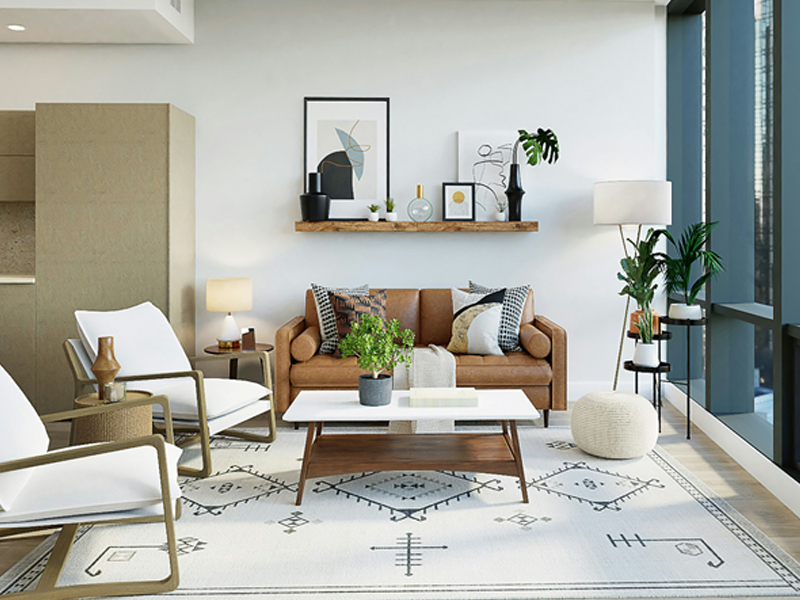
Colours in art pieces should sync with the existing room palette to maintain harmony. Match or contrast wall colours and with the furniture that’s in the room. For instance, if the room is mostly neutral, consider art with vibrant hues like deep blues or fiery reds. Use artwork with dominant colours that mirror accent pieces for a cohesive look.
Determining the Right Size and Quantity
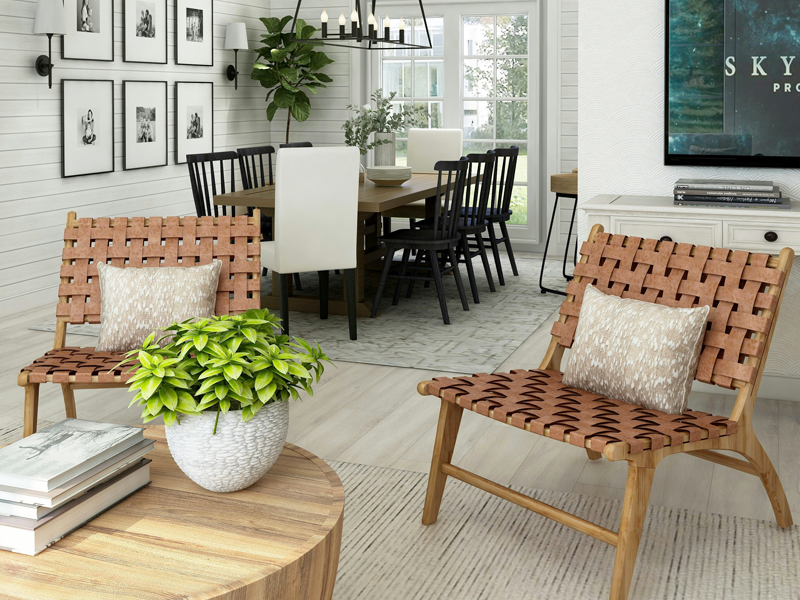
Determine the scale of art based on wall size. Larger art pieces create a focal point in spacious rooms, while small framed art suits compact spaces. Consider creating gallery walls for more flexibility and opportunity to feature more content on your walls, but make sure to find a balance in quantity so as to avoid overcrowding the space. Too many pieces on a wall can feel overwhelming.

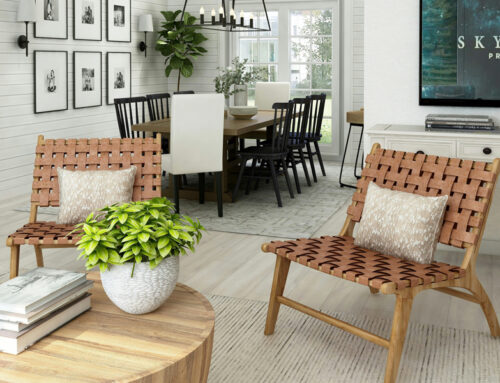
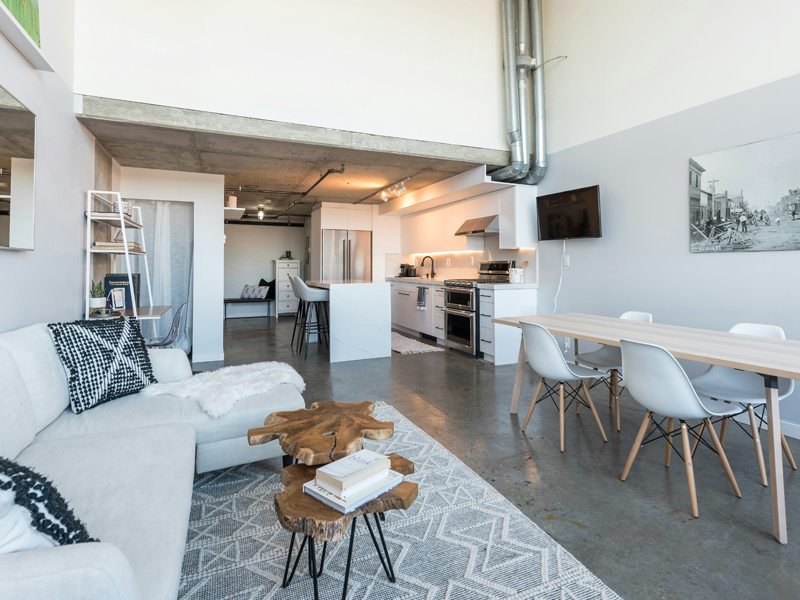
Photo by Kam Idris
Selecting Frames and Materials
Frame choices contribute to the overall aesthetic, ensuring the art beautifully integrates into the room’s theme. When selecting frames, choose frames that either blend with the artwork or make it stand out. For example, sleek metal frames suit contemporary art, while ornate wooden frames accentuate traditional pieces. Incorporate texture using canvas prints or unconventional items like reclaimed wood.
Arranging Wall Art
Arranging wall art transforms empty spaces into charming displays. It is not just about picking the right pieces but also about arranging them creatively.
Planning Your Layout
Be creative and thoughtful when arranging wall art. For example, mirrors should be strategically placed to maximise light and space perception. Arrange art at eye level so that it is easy to appreciate and easy for the eye. Complement these pieces of art with other objects such as sculptures, vintage plates or other meaningful collectables from your last overseas trip to add character and personality. By thoughtfully arranging elements, we achieve not only balance but also a vibrant and distinctive aesthetic in any room.