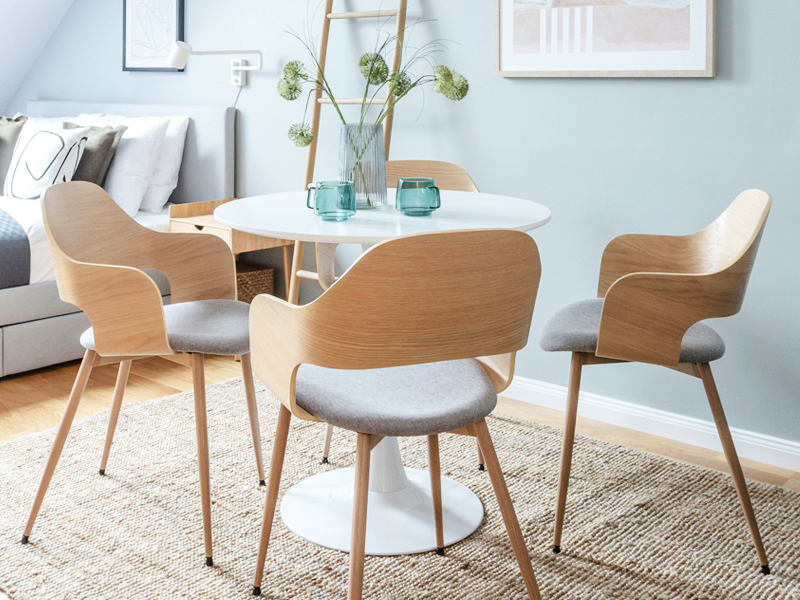
What is the return on investment of home staging?
Staging a house for sale is more than just a trend; it’s a strategic move that can make a real difference in your pocket. We’ve seen how it transforms spaces and creates that all-important emotional connection with buyers. Whether you choose to work with a professional stager or decide to roll up your sleeves for a DIY approach, the goal of home staging is always to highlight the home’s best features and create an inviting atmosphere.
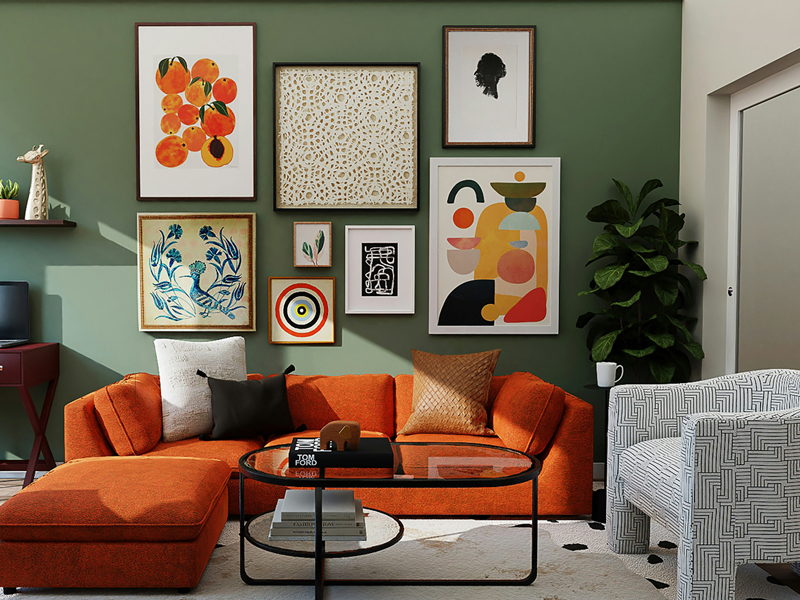
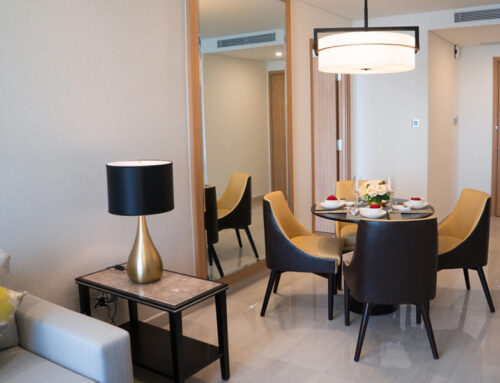
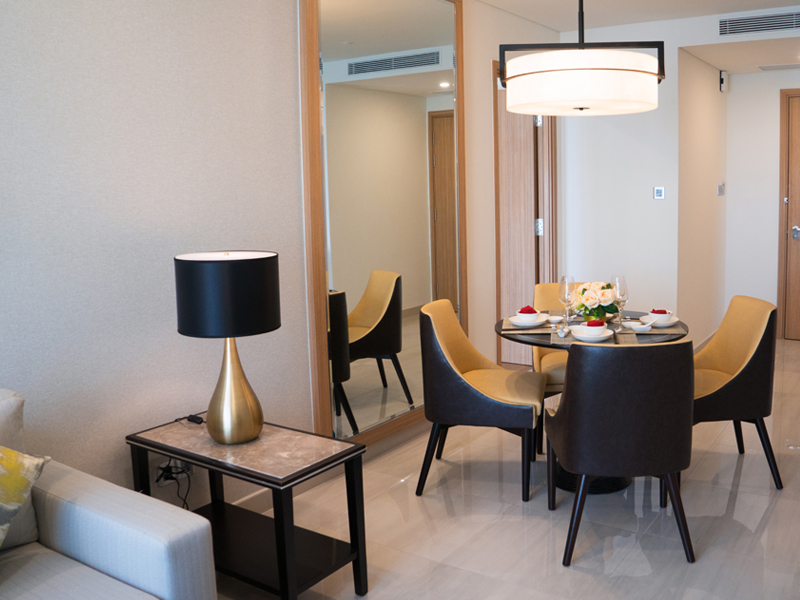
Photo by Turnkey apartments
As we all know, you never get a second chance to make a first impression and this couldn’t be truer in the world of real estate. Home staging is our secret weapon to ensure potential buyers see a property at its absolute best and fall in love at first sight.
So, what exactly is home staging? It’s the art of preparing and presenting a house to appeal to the widest range of buyers. Home staging transforms empty rooms into welcoming spaces, helping potential buyers envision their lives there.
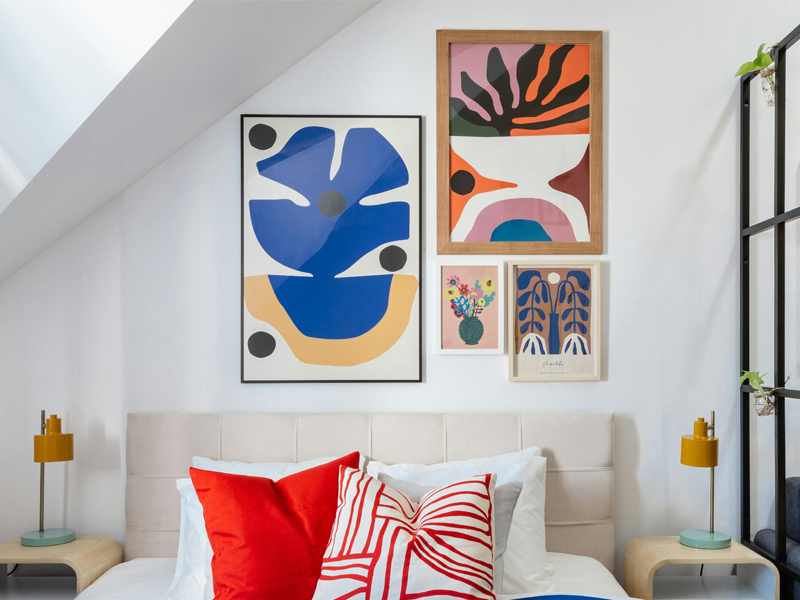
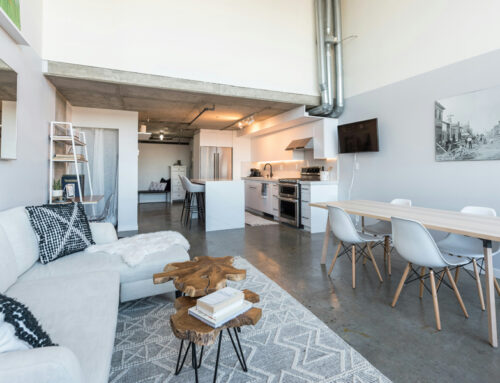
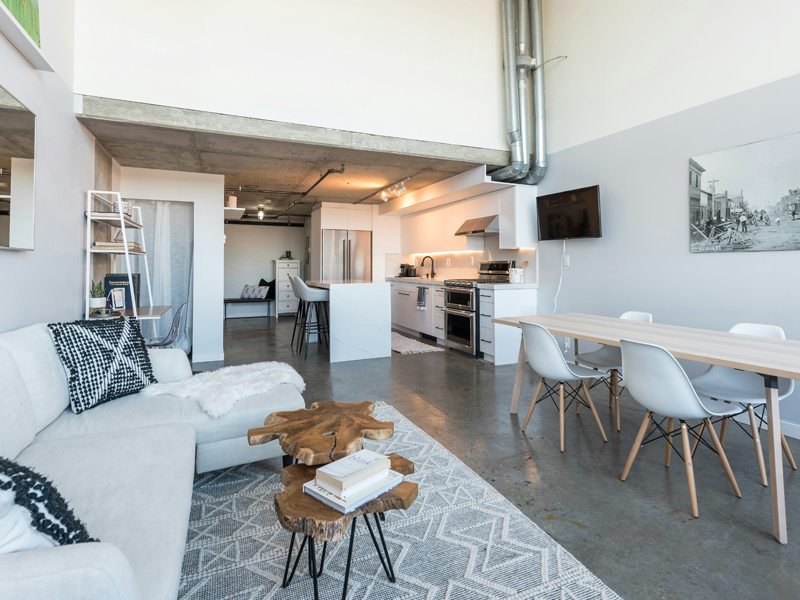
Photo by Spacejoy
Professional Expertise And ROI
It is best to look at staging as an investment rather than an expense. While it requires an upfront payment, the benefits often outweigh the expenses. According to real estate data, staged homes can sell for 6-20% more than those that aren’t staged, meaning that the investment you make in professional staging offers tangible returns. This high return on investment provides a compelling reason to include staging in the selling strategy.
So how does spending on staging yield an increase of the sale price? Buyers perceive the property as more valuable when it’s well-presented. Properties differentiated by professional staging attract more interest and present as move-in ready, reducing buyers’ perceived workload. Some may even compete with one another to secure the property, which can further drive up the price. While on the other hand, properties that don’t appear well-maintained may raise buyers’ concerns, affecting their willingness to submit strong offers.
Furthermore, a well-staged home stands out in online listings. Compelling photos capture attention, drawing more prospective buyers to view the property. Increased viewings often lead to more offers, driving competitive bidding and ultimately achieving a higher final sale price.

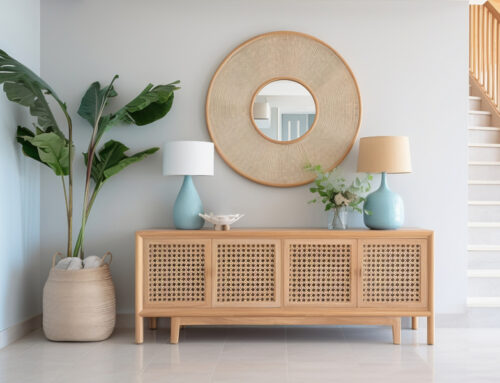
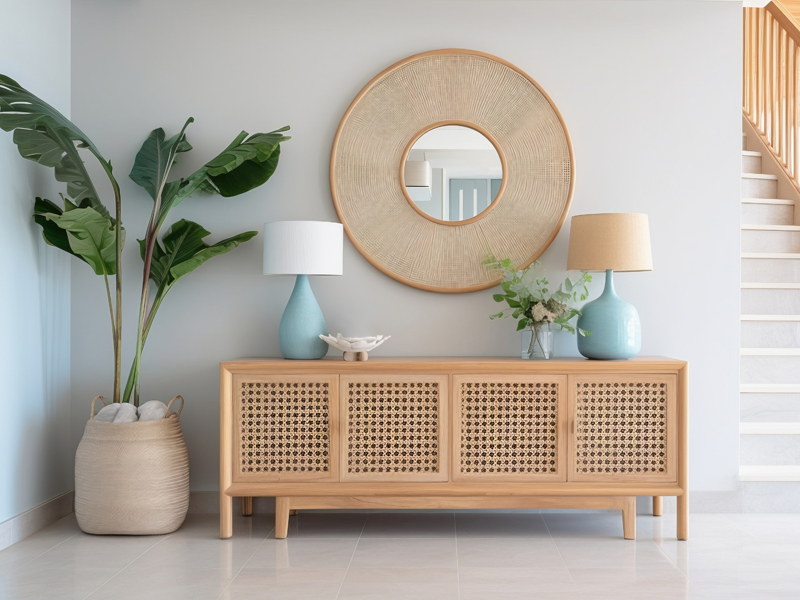
Photo by Kam Idris
DIY Staging vs Hiring a professional stager
Ultimately, deciding between a professional and DIY approach depends on budget, time, and personal confidence in executing effective staging strategies. When it comes to presenting a house for sale, deciding between hiring a professional stager or going the DIY route can impact the outcome significantly.
Professional home stagers bring expertise in interior design, understanding what appeals to diverse audiences and specific buyer demographics. They know how to meticulously neutralise a space, minimise perceived faults and work with awkward layouts or small spaces. They know how to highlight a property’s best features, from ample natural light to hard-to-find architectural designs. Through their skilled, strategic arrangements and decor placement, they effectively enhance the property’s appearance and create an inviting environment that resonates with buyers.
Conclusion
In a competitive real estate market, home staging bridges the gap between potential and reality, turning properties into desirable commodities. Incorporating professional staging into your property sale process signifies a smart investment. Not only do staged homes sell quickly, but they also typically achieve a higher price, ensuring a strong return proving that home staging undeniably provides a significant edge.